
Bringing Long Term Economic Value with Minimal Impact


ABOUT
GATEWAY
We’re Building Digital Infrastructure That Supports Today’s Technology While Respecting the Community That Calls This Place Home.
Large development projects often raise questions about environmental impact, infrastructure, and quality of life.
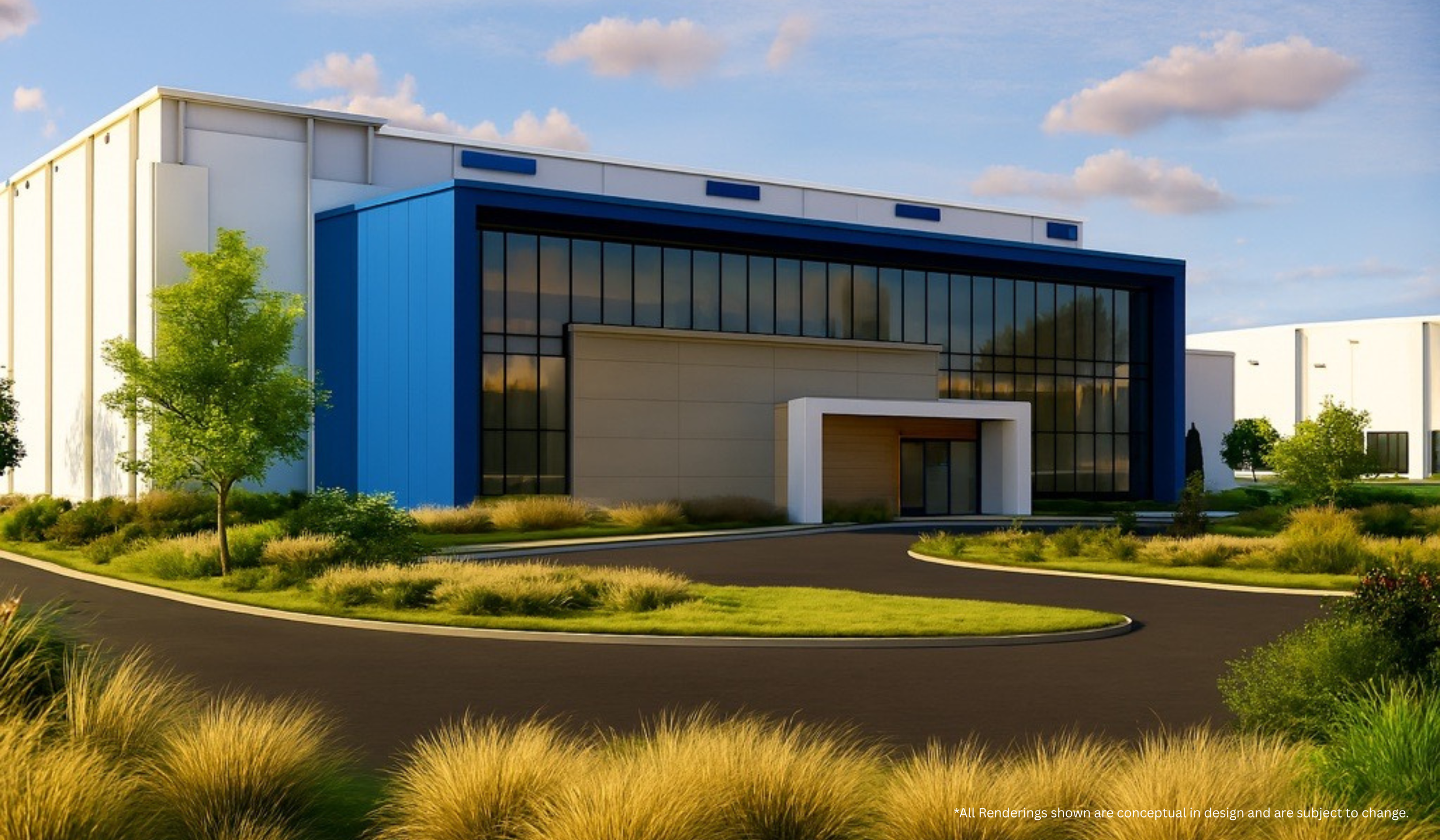
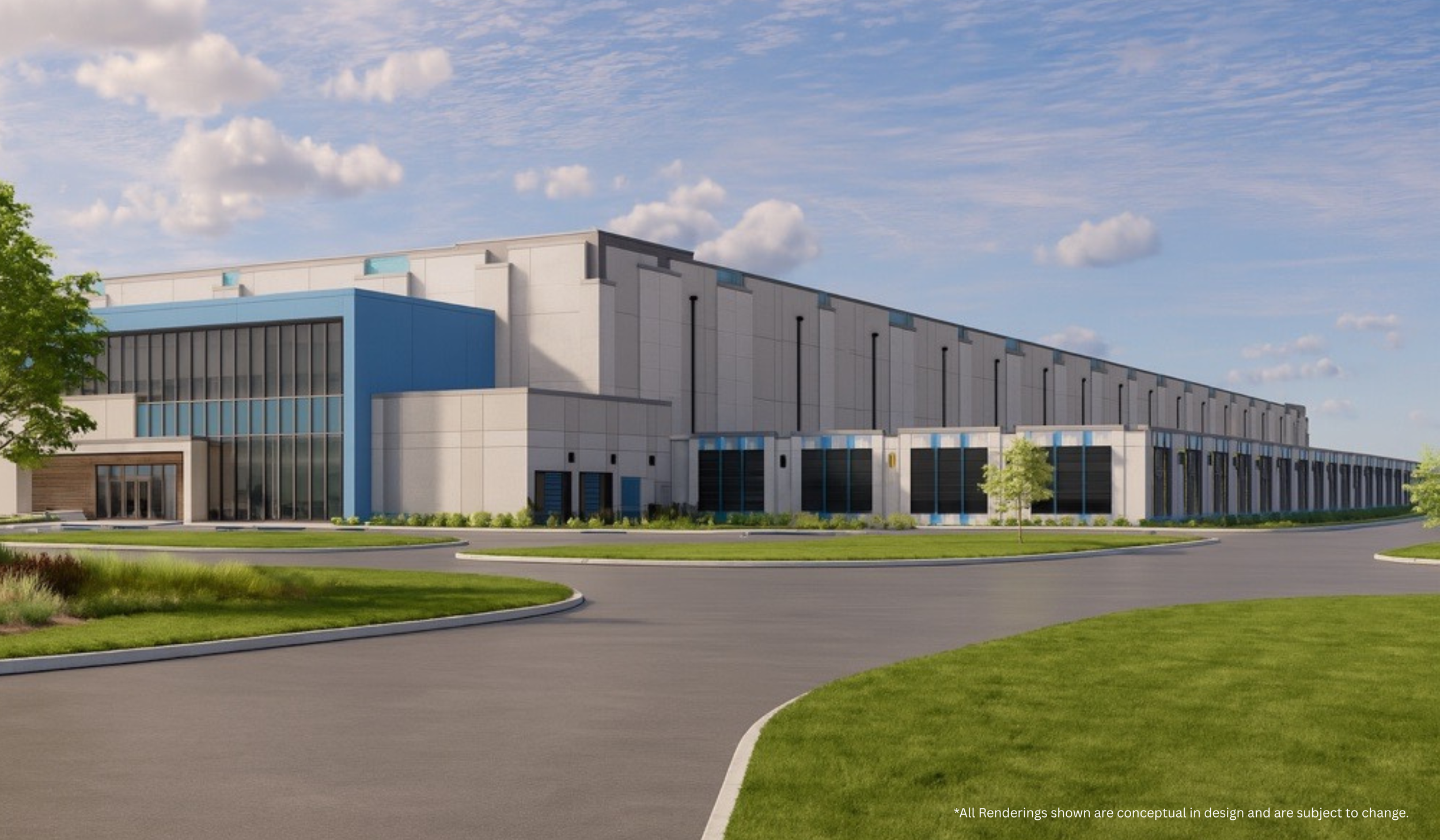
The Gateway Digital Campus is a thoughtfully designed next-generation data center with a clear, simple promise to be a good neighbor by operating safely, responsibly, and with low, unobtrusive sound levels, while delivering meaningful benefits to the community.
We understand that large‑scale projects can raise concerns. That’s why our design, planning, and operations prioritize transparency, environmental stewardship, and being a good neighbor. Data centers don’t create excess traffic or produce harmful emissions. They provide growth and career opportunities while bringing a long-term investment that strengthens the local economy.
Designed with the Community in Mind
Highlights
Local Economic Growth
Job Creation
The Gateway Digital Campus represents a multi-billion dollar economic surge for Franklin County’s economy according to US primary study (Magnum Economics).
The project will create 3,000+ jobs: 2000 construction jobs, 750 skilled service-sector jobs, 250 data center positions.


Long-Term Partnerships
Connectivity
With an annual tax revenue of $50M+, our Gateway project represents the largest economic development project in the history of Franklin County.
Gateway developer is paying 100% of all infrastructure and transmission upgrades with zero cost to Ameren customers or local taxpayers.


Plan Overview
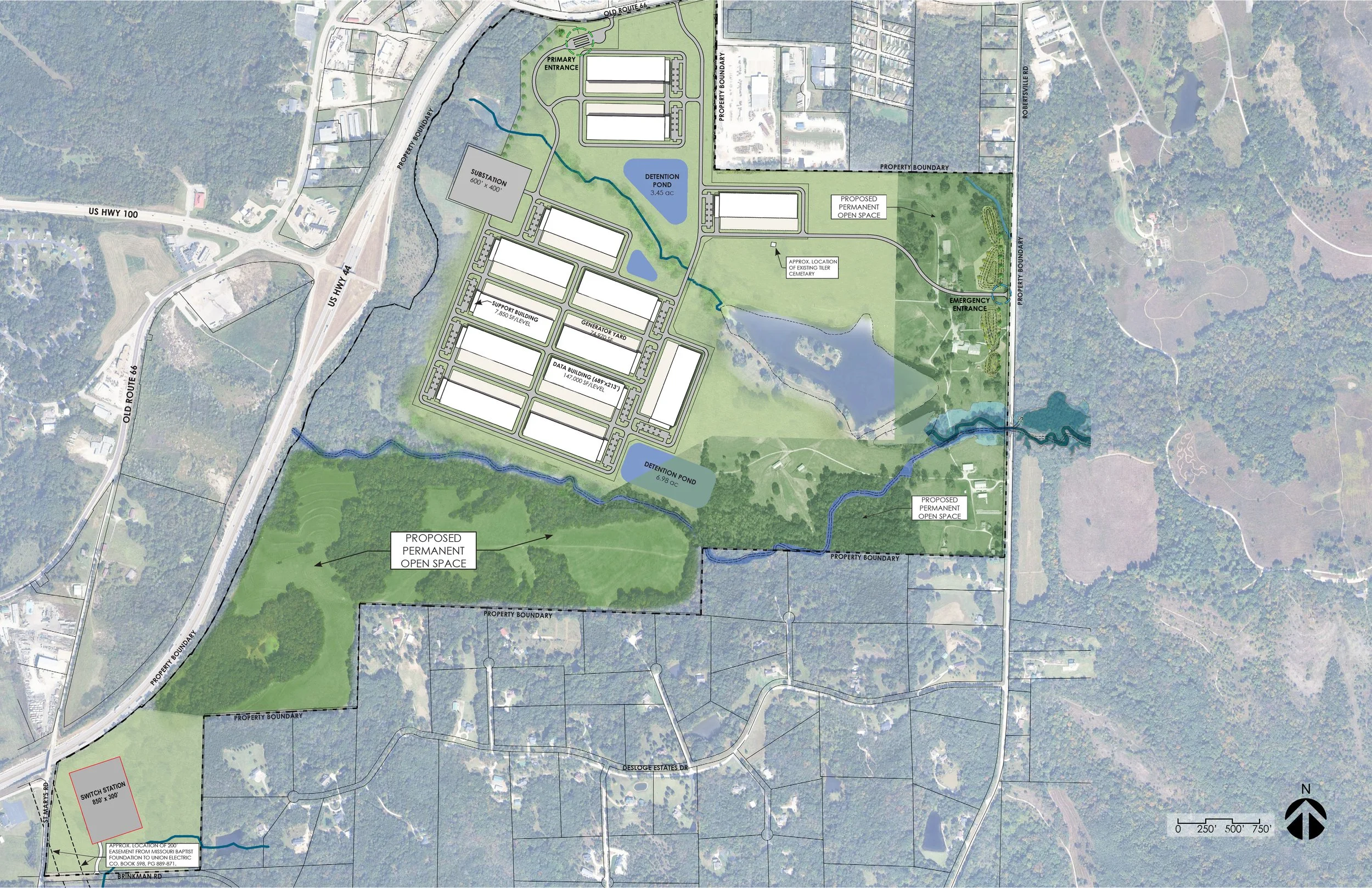
Gateway is a proposed data center campus located at the intersection of MO 100 and I-44. Designed as a low-impact alternative to high-density development, the 13-building plan preserves over 50% of the site as undisturbed green space and establishes 1,000-foot residential setbacks - more than double the industry standard. This application is currently undergoing a formal technical review by Franklin County’s professional consultants and the Franklin County Board of Commissioners.
Residents can access the official memorandum submitted to the Planning Commission via the link here. This resource is provided to ensure the community has access to factual information throughout the ongoing public review process.
Frequently Asked Questions
It's natural to have questions about a project of this scale. Here are the questions we hear most often.
-
We will commit to a fully closed loop system. This dramatically reduces the amount of water consumed.
A closed loop system will use the water equivalent of approximately 54 homes, which is a fraction of what the current permitted uses would allow.
None of the water used for cooling will be discharged into the public sewer. Instead, it is disposed of offsite by certified disposal companies.
-
We will not use onsite wells and instead will use public utilities. We will pay for all necessary upgrades to both water and sewer systems.
State law and regulations protect well water in the area. Specifically, we are required to register the project and then report annually its water use to the Missouri Department of Natural Resources.
MO DNR monitors aquifers to ensure there is no disruption to other wells.
-
The project will pay 100% of all infrastructure upgrades associated with the project. Zero out of pocket from Ameren on transmission or service infrastructure.
By law (Senate Bill 4 and the recent PSC Order from November 2025), the data center owner / user is obligated to contractually commit to buy enough electricity from Ameren to pay for any new generation costs or similar charges they incur.
Missouri Senate Bill 4 and the recent PSC case in November protects the rate base and requires the data center user to pay its fair share. See new article here summarizing this: https://missouriindependent.com/briefs/missouri-passesnew-rules-costs-for-data-centers-and-large-power-users/
-
We will commit to downlighting as recommended by staff and Shaw Nature Reserve to minimize impact on wildlife. This would include “dark sky” lighting fixtures.
We are amenable to adding a light modeling study as part of the building permit package that confirms light spillover onto residential properties of not more than .5 foot candle measured at 3’ above grade, consistent with the Festus ordinance.
-
We are committed to satisfying Shaw’s concerns and reaching mutual agreement over the restrictions in the new zoning regulation applicable to Data Center projects.
Our agreement will include a permanent open space covenant for over 1000 feet of farm and tree buffer between the project building area and the Nature Reserve.
We will commit to (and support the zoning ordinance requirements for) the project causing NO increase in the ambient noise level currently established at the boundary with the Shaw Nature Reserve.
In other words, the project will NOT result in any increase whatsoever in noise level at the boundary with Shaw Nature Reserve.
-
No, we are committed to leaving 50%+ of the site undisturbed. That’s over 300 acres of open space.
The current zoning allows for 1,000 single-family homes as is and over 2,400 homes under a PUD. Either of these would result in the potential leveling of 90%+ of the site.
So much open space would be all but impossible for any other form of development of the site (meaning any other development, including current allowed uses, would require more density than our project).
-
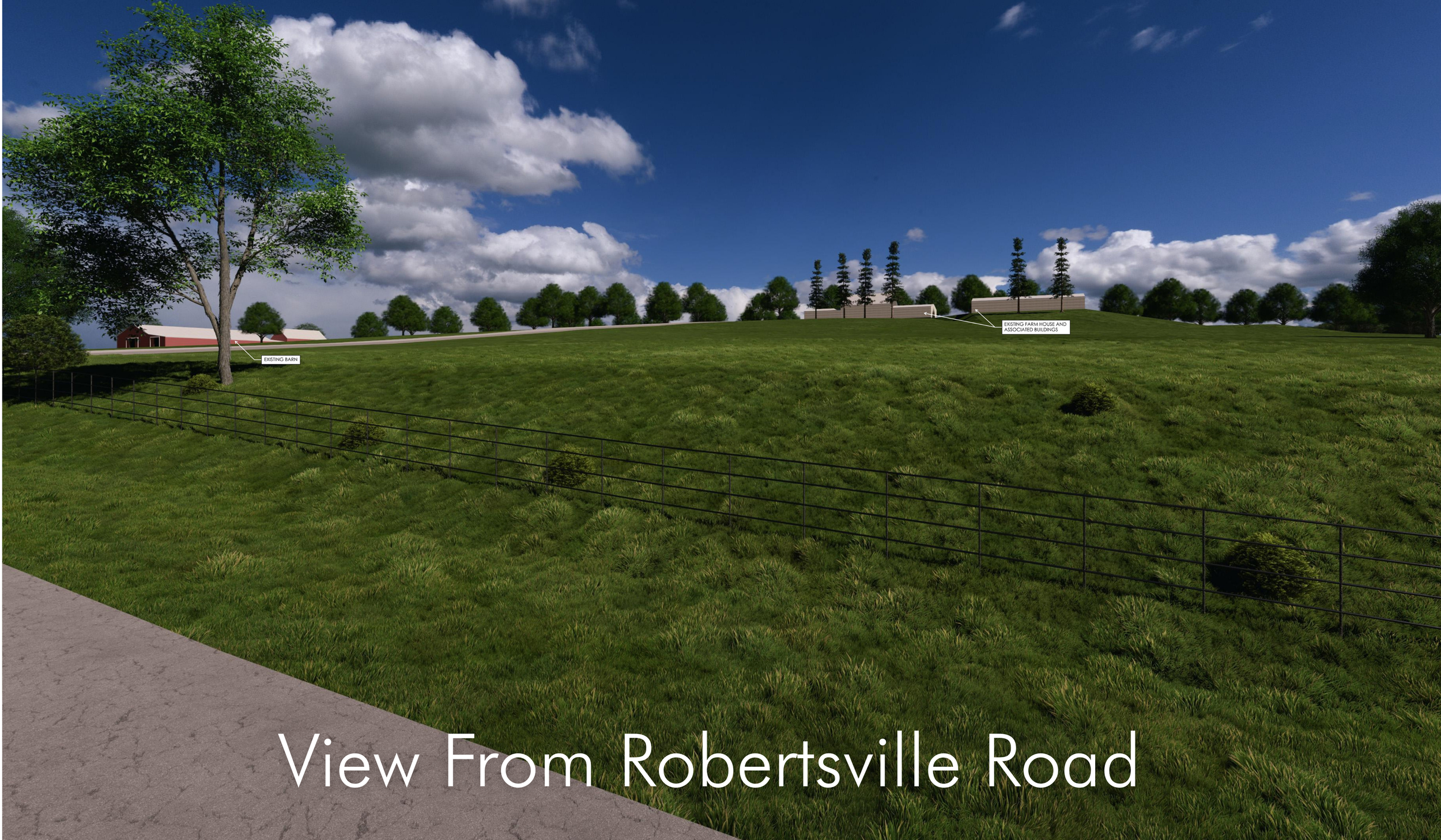
We are committed to developing the site in a manner that limits / confines the building area such that the buildings will be predominantly screened from Robertsville Road or Desloge Estates.
Our site development plan concentrates all activity into the corner of the site furthest from Shaw and Desloge, utilizing the natural contours of the land and natural vegetation to create a low profile, discreet campus.
Our plan includes 1000+ feet of untouched, natural stream and tree buffer between the building area and Desloge Estates.
We will commit to (and support the zoning ordinance requirements for) the project causing NO increase in the ambient noise level currently established at the boundary with Desloge Estates.
In other words, the project will NOT result in any increase in noise level at the boundary with Desloge Estates.
-
We will NOT disturb the cemetery.
We learned of the cemetery early in our due diligence process, and our site planning was undertaken in a manner to ensure that the project would NOT impact the cemetery.
In fact, we intend to restore the cemetery, provide permanent access to descendants and agree to maintain the cemetery in the future.
-
We will commit to no change in ambient noise level at the boundaries with Shaw Nature Reserve and Desloge Estates.
The other two sides of the property are I-44 and Commercial/Industrial uses, and we will commit to a max increase of 10 dBs from the current ambient noise level at those boundaries.
We will commit to a permit requirement of modeling studies to confirm our project complies with the above noise standards before construction permits are issued.
We will commit to annual monitoring reports to confirm compliance during operation.
We will commit to generator testing only during working hours Monday through Friday, consistent with the Festus ordinance.
-
The EMF concerns are a red herring. Data centers emit only non-iodizing radiation, the same found in toasters or other small household appliances.
EMF levels outside the building walls of data centers are lower in frequency / intensity than common home appliances. See article here explaining how non-iodizing EMFs created by data centers are not a risk to human health. https://nwidatafacts.nwiforum.org/faq/are-thereelectromagnetic-field-or-other-health-risks-associated-withdata-centers/
-
Data centers are the "invisible backbone" of modern life, powering everything from banking and emails to life-saving healthcare records and 911 dispatch systems. By hosting these facilities locally, the community benefits from faster data speeds and reduced latency, ensuring that residents and local businesses have the high-speed connectivity required for modern commerce and emergency response. Beyond technology, this project provides a massive tax base with minimal physical impact, allowing the County to fund essential services while maintaining its rural character.
-
Recent 2025 George Mason University Study shows that proximity to data centers does not negatively affect home resale values. Furthermore, the millions in annual tax revenue can lead to lower real estate tax rates for homeowners while fully funding local public safety gaps.
-
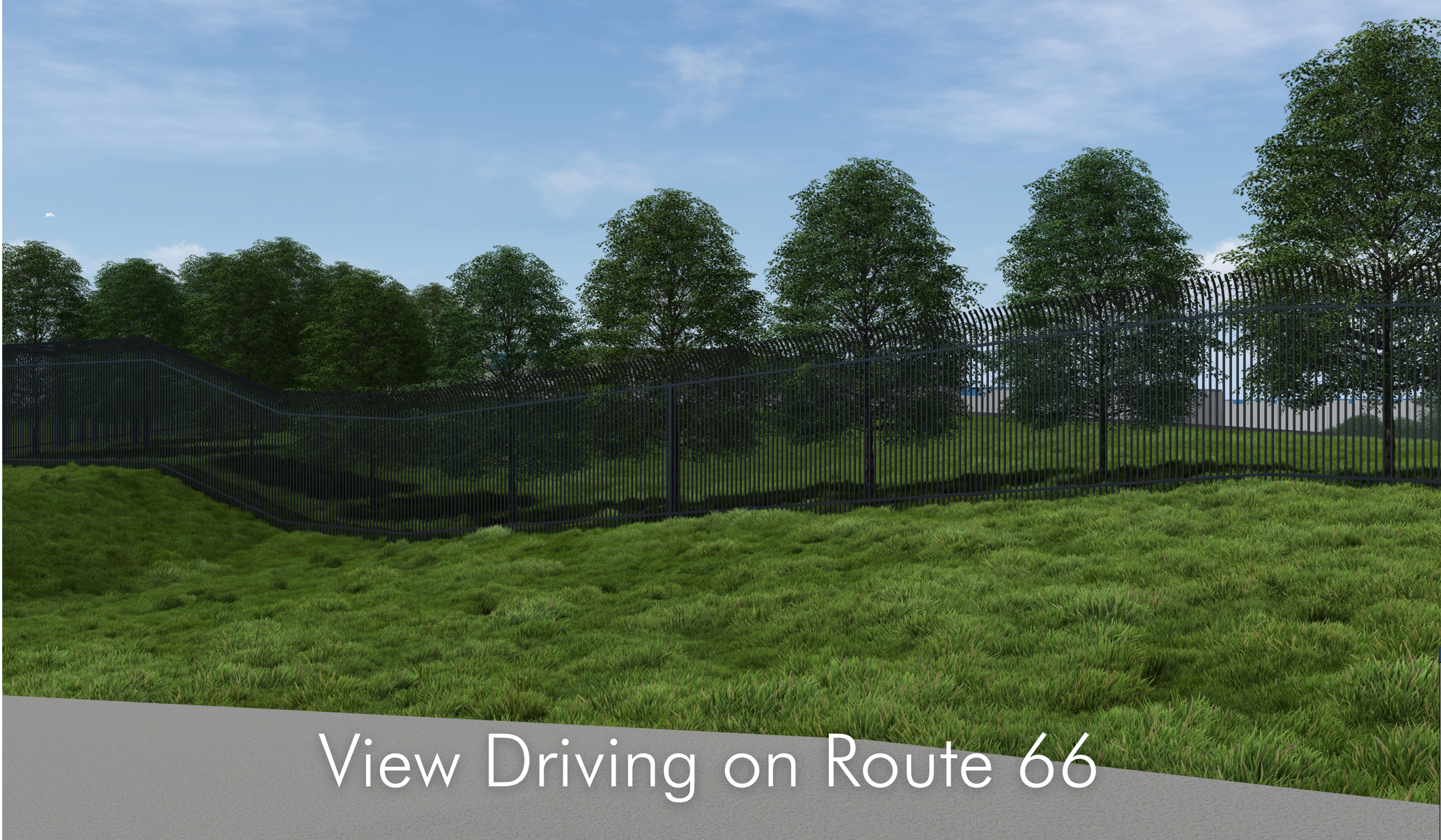
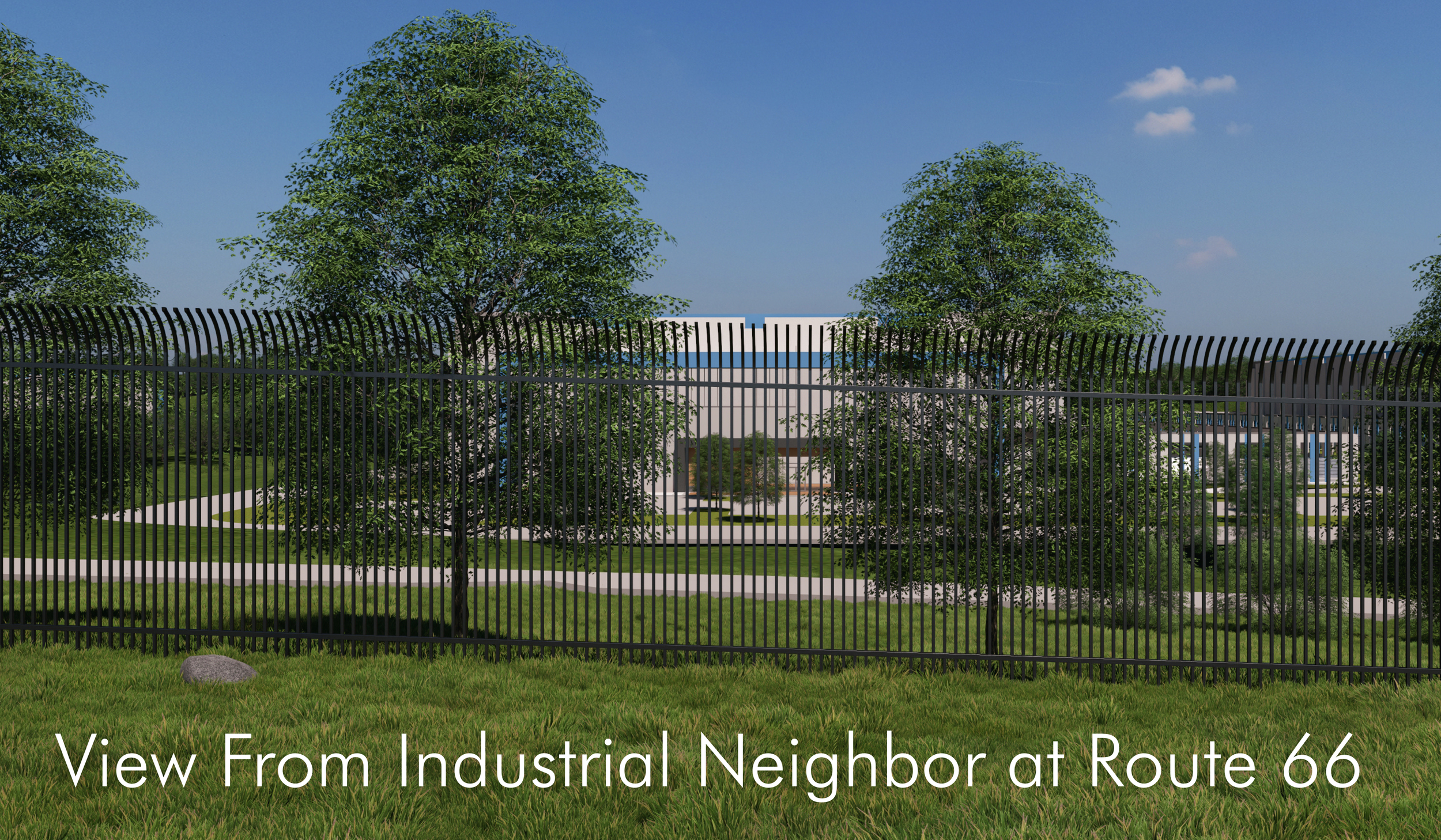
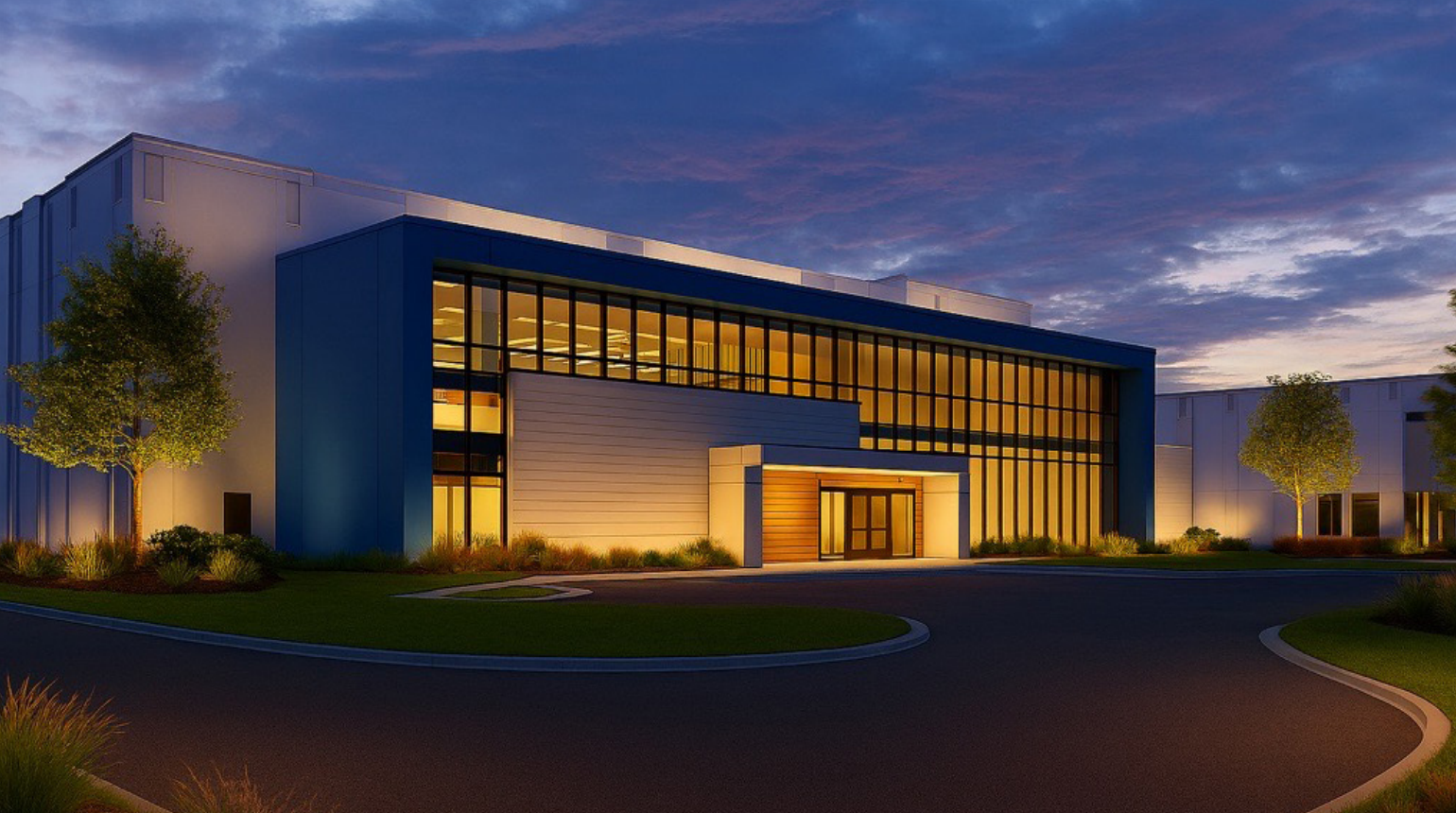
No. While the campus may be partially more visible from Route 66, we have designed the site with a 50% natural buffer specifically to help protect the views from the Shaw Nature Reserve and the Deslodge Estates neighborhood. To ensure the project complements the area, the buildings feature a high-end, modern professional campus design that reflects the quality of a premier office park rather than an industrial facility.
-
All Internet activity around the world is processed through data centers. These buildings are the “home of the internet” because all internet traffic is routed through them and back to an individual device in fractions of a second. They are built as specialized campuses that house computer systems, servers, networking equipment, and electrical infrastructure to securely store, process and manage digital data and applications. Interconnected by fiber optic cables across the globe, data centers ensure reliable access to information for everything from video streaming to banking to navigating around town.
-
The proposed data center could be used for a number of applications, varying from cloud computing to machine learning. The Gateway Digital Campus will not be a bitcoin or crypto mining operation.